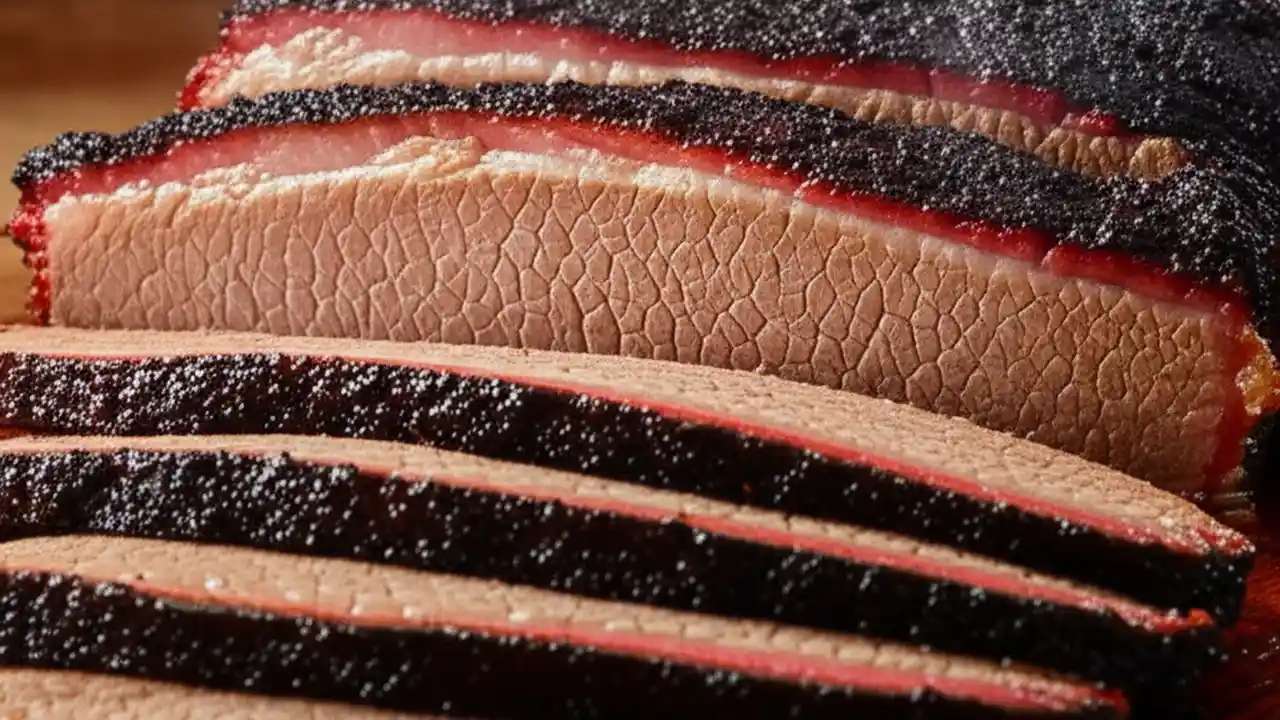
Unlock Unforgettable Flavor with Our Easy Oven Brisket Recipe
Imagine serving a melt-in-your-mouth, intensely flavorful beef brisket that required minimal fuss from you in the kitchen. Sounds like a dream, right? Often associated with laborious smoking or complex BBQ pits, mastering a tender brisket can seem daunting. But we're here to tell you that an incredible, no-fuss beef brisket recipe is not only achievable but also surprisingly simple when cooked in your oven. This guide will walk you through creating a dish so rich and tender, it will become a go-to for special occasions and Sunday dinners alike.
Forget the hours spent tending a smoker or constantly checking temperatures. Our approach to this oven-baked brisket focuses on simplicity without sacrificing an ounce of flavor or tenderness. It’s a game-changer for home chefs who want to impress guests or treat their family to a spectacular meal, all while enjoying their own company outside the kitchen.
Understanding Brisket: The Heart of the Matter
Before diving into the cooking process, let's get acquainted with the star of our show: beef brisket. This primal cut comes from the breast section of the cow, specifically between the steer's shoulder and forelegs. Because this muscle supports a significant portion of the animal's weight and is constantly used, it's inherently tough, packed with muscle fibers, collagen, and connective tissue. This toughness is precisely why brisket benefits so much from a specific cooking method, which we'll explore shortly.
A whole beef brisket is typically comprised of two distinct muscles, separated by a thick layer of fat:
- The Flat Cut (or First Cut): This is the leaner, more rectangular part, often preferred for slicing and sandwich making due to its consistent shape. It has less intramuscular fat, making it slightly easier to overcook if not careful.
- The Point Cut (or Second Cut): This is the fattier, more marbled end, often irregular in shape. Its abundant fat content makes it incredibly flavorful and forgiving, often used for burnt ends.
While a whole brisket can weigh anywhere from 5 to 20 pounds, most grocery stores sell the flat or point cut separately. If you're looking for a whole packer brisket, a local butcher or farmer is usually your best bet. For our easy oven brisket recipe, either the flat or point can be used, though a flat cut is often preferred for its ease of slicing and presentation. Regardless of the cut, the core principle remains the same: transforming a tough cut into something sublimely tender.
The Golden Rule: Low and Slow for Ultimate Tenderness
The secret to transforming that tough brisket into succulent, fall-apart perfection lies in a widely celebrated culinary mantra: "low and slow." This isn't just a catchy phrase; it's a scientific principle. By cooking brisket at a lower temperature over an extended period, you give the collagen and connective tissues ample time to slowly break down and dissolve into gelatin. This process is what yields that desirable fork-tender texture and juicy mouthfeel.
While brisket can be cooked slowly in a variety of ways – including slow cookers and even grills – the oven offers a consistent, hands-off environment that's perfect for beginners and seasoned cooks alike. The controlled heat of an oven ensures even cooking, making it an ideal method for achieving that perfect texture without constant monitoring. If you're keen to explore other methods, a good barbecue beef brisket slow cooker recipe can also yield fantastic results, but for now, we're sticking to the oven for maximum ease.
Crafting Your Flavorful Brisket: The Essential Dry Rub
A truly tender brisket demands an equally flavorful counterpart, and that’s where our simple yet powerful dry rub comes in. Composed of pantry staples, this rub penetrates the meat, creating a delicious crust and infusing every bite with savory goodness. The beauty of a homemade rub is its customizability, but our base blend offers a foolproof foundation:
- Kosher Salt: Essential for seasoning and drawing out moisture initially, which then reabsorbs, enhancing flavor.
- Chili Powder: Adds a foundational warmth and earthy depth.
- Garlic Powder & Onion Powder: Classic aromatics that provide a savory, umami punch without the risk of burning fresh ingredients.
- Ground Black Pepper: Offers a sharp, piquant contrast.
- Sugar (brown or granulated): Helps create a beautiful caramelized crust and balances the savory notes.
- Dry Mustard: Contributes a subtle tang and helps tenderize the meat.
- Bay Leaf (crushed): Adds an aromatic, slightly herbaceous note.
To prepare your rub, simply mix all ingredients in a small bowl until well combined. Then, generously apply the dry rub to all sides of your brisket, pressing it gently to ensure it adheres. For an even deeper flavor penetration, consider rubbing the brisket a few hours or even a day before cooking, allowing it to rest in the refrigerator. This gives the spices time to work their magic, leading to a more flavorful final product. Many of the secrets to fork-tender oven brisket: easy rub & low-slow cook lie right here, in this initial preparation.
Step-by-Step: Your No-Fuss Oven Brisket Recipe
Ready to transform your kitchen into a brisket paradise? Follow these steps for an easy, tender, and incredibly flavorful result.
1. Brisket Preparation
Remove your brisket from the packaging and pat it dry with paper towels. While not strictly necessary for an easy oven brisket, some people prefer to trim excessive hard fat from the fat cap, leaving about a 1/4 to 1/2-inch layer. This helps the rub adhere better and prevents the brisket from becoming too greasy, especially if you're using a fattier point cut. Apply your prepared dry rub liberally to all surfaces of the brisket, ensuring a thorough coating.
2. Choosing Your Roasting Pan
For this oven-baked brisket recipe, a sturdy large roasting pan is ideal. Its size accommodates the brisket and its high sides help contain juices. If easy clean-up is a priority, a large disposable aluminum pan works perfectly well.
3. The Two-Stage Cooking Process
This recipe utilizes a clever two-stage cooking method:
- Initial Uncovered Cook: Place the seasoned brisket, fat-side up (if applicable), into your roasting pan. Start by cooking it uncovered for the first hour or two at a slightly higher temperature. This allows a delicious crust to form on the exterior of the brisket, locking in some of those wonderful rub flavors.
- Covered Braise: After the initial uncovered period, carefully remove the pan from the oven. The pan will be very hot, so use oven mitts. Tightly wrap the roasting pan with heavy-duty aluminum foil, creating a sealed environment. This traps moisture and steam, effectively braising the brisket and ensuring it becomes incredibly tender as it continues to cook at a lower temperature.
The exact timing and temperature will vary slightly based on your oven and the size of your brisket, but generally, expect several hours of cooking. The key is to monitor the internal temperature with a reliable meat thermometer. For ultimate tenderness, you're aiming for an internal temperature in the range of 195-205°F (90-96°C). Don't pull it too early; undercooked brisket will be tough.
4. The Essential Rest
Perhaps the most crucial, yet often overlooked, step for achieving truly tender and juicy brisket is the rest. Once your brisket reaches its target internal temperature, remove it from the oven (still covered in foil). Allow it to rest undisturbed for at least 30 minutes, or even up to an hour, before slicing. This period allows for "carryover cooking" – the internal temperature will continue to rise slightly – and, more importantly, it lets the muscle fibers relax and reabsorb the juices, resulting in a much more succulent and tender final product. Slicing too early will cause those precious juices to run out, leaving you with dry meat.
5. Slicing Against the Grain
Even with a perfectly cooked and rested brisket, slicing correctly is vital for tenderness. Always slice brisket against the grain of the meat. This shortens the muscle fibers, making each bite easier to chew and more tender. If you're working with a whole brisket, remember that the grain of the flat and point can run in different directions, so you might need to adjust your slicing angle as you move from one cut to the other.
With this straightforward approach, you don't need a smoker to master tender beef brisket. Our No Smoker? Master Tender Beef Brisket with This Oven Recipe guide further emphasizes the simplicity and effectiveness of this method.
Serving Suggestions for Your Perfect Brisket
Once your beautifully tender and flavorful brisket is sliced, the serving possibilities are endless. It's fantastic on its own, of course, but it truly shines alongside classic comfort food sides. Think creamy mashed potatoes, tangy coleslaw, sweet cornbread, or roasted vegetables. It also makes for an incredible sandwich filling, piled high on a bun with a drizzle of your favorite BBQ sauce. Leftovers (if there are any!) can be used in chili, tacos, or even hash.
Conclusion: Your New Favorite Brisket Recipe Awaits
As you can see, creating a tender, flavorful, and truly fuss-free beef brisket in your oven is entirely within reach. By understanding the cut, embracing the "low and slow" method, utilizing a simple yet effective dry rub, and allowing for a crucial resting period, you can transform a humble piece of meat into a show-stopping meal. This beef brisket recipe proves that you don't need fancy equipment or endless hours of attention to achieve culinary excellence. So go ahead, give it a try – your taste buds, and your guests, will thank you.
