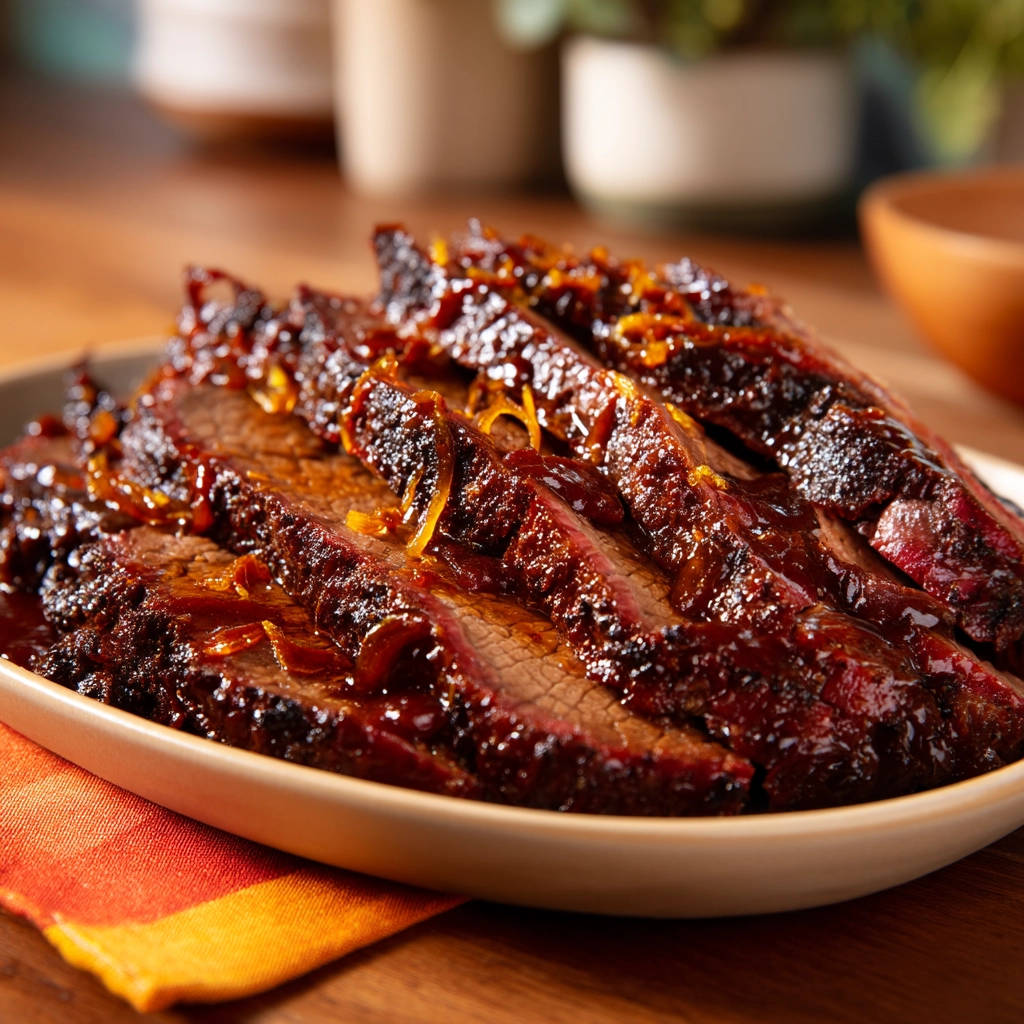
Imagine a centerpiece meal that requires minimal hands-on effort but delivers maximum flavor and melt-in-your-mouth tenderness. That's precisely what you achieve with a perfectly executed oven-baked beef brisket. Forget the intimidating smokers or hours spent tending a grill; this beef brisket recipe unlocks the secrets to a succulent roast right in your kitchen oven. It’s ideal for special occasions, family gatherings, or simply elevating a weekend meal without tying you to the stove.
The beauty of this method lies in its simplicity and the promise of a dish that practically cooks itself, leaving you free to enjoy time with loved ones. With just a few pantry staples for an incredible dry rub and a commitment to the "low and slow" philosophy, you’ll transform a tough cut of meat into an unbelievably tender, flavorful masterpiece. It's truly a game-changer for anyone who has shied away from brisket, believing it to be too complicated.
Unraveling the Mystery of Brisket: What is this Cut?
Before we dive into the cooking process, let's understand the star of our show: beef brisket. Brisket is one of the nine primal cuts of beef, hailing from the breast section of the cow, specifically between the steer’s shoulder and forelegs. This particular muscle gets a significant workout daily as it supports much of the cow's body weight when it stands or lies down.
Because it's a hardworking muscle, brisket is inherently tougher than cuts like tenderloin or ribeye. It's rich in strong muscle fibers, collagen, and connective tissue – components that, while making it a challenge if cooked incorrectly, are also the key to its rich flavor and incredible texture when handled with care. The magic happens when these tough tissues break down into gelatin during a long, slow cook, imparting a luscious, juicy quality to the meat.
A whole beef brisket is typically composed of two distinct muscles, separated by a thick layer of fat: the flat cut (also known as the first cut or lean end) and the point cut (the second cut or fatty end). The flat is leaner, making it excellent for slicing, but it can dry out if overcooked. The point, conversely, is heavily marbled with fat, making it incredibly flavorful and forgiving, though it requires a longer cook time. While a whole brisket can weigh anywhere from 5 to 20 pounds, you'll most commonly find the flat or point sold separately at your local grocery store. For a whole packer brisket, you might need to visit a dedicated butcher or a local farmer.
The "Low and Slow" Secret to Unforgettable Tenderness
The phrase "low and slow" isn't just a catchy culinary mantra; it's the fundamental principle for achieving that coveted fork-tender brisket. This extended cooking period at a lower temperature is essential for breaking down the tough connective tissues and collagen found in brisket. Without this slow transformation, the meat would remain chewy and unappetizing.
When collagen heats up over an extended period, it slowly dissolves and turns into gelatin. This gelatin then coats the muscle fibers, making the meat incredibly succulent and tender. This process cannot be rushed. High heat will simply toughen the muscle fibers without giving the collagen time to render, resulting in dry, stringy meat. While brisket can be cooked slowly in a variety of ways – including a slow cooker or even a grill – the oven provides a consistent, controlled environment that makes it remarkably simple and foolproof, especially for home cooks.
Mastering the Internal Temperature
While "low and slow" is key, knowing when your brisket is truly done is paramount. For optimum tenderness, aim for an internal temperature between 195°F and 205°F. However, don't rely solely on temperature. The ultimate test is texture: a probe thermometer or skewer should slide into the thickest part of the meat with minimal resistance, feeling like it's entering warm butter. This indicates that the collagen has fully broken down. Remember to factor in carryover cooking, where the meat's temperature will continue to rise a few degrees after it's removed from the oven.
Crafting Your Perfect Brisket: The Easy Dry Rub & Oven Method
One of the many reasons this no-smoker beef brisket recipe is so beloved is the simplicity of its dry rub. You don't need exotic ingredients; common pantry staples are all it takes to build a robust flavor profile that complements the rich beefiness of the brisket. A classic rub often includes:
- Kosher salt
- Chili powder
- Garlic powder
- Onion powder
- Ground black pepper
- Sugar (brown sugar or granulated)
- Dry mustard
- Bay leaf (crushed, optional, but adds depth)
Simply mix these ingredients in a small bowl. The ratio can be adjusted to your taste, but a good starting point often involves more salt and pepper, with the other spices providing supporting notes. Once mixed, apply the dry rub liberally to all sides of your brisket. Don't be shy – this is where much of your flavor comes from! For best results, allow the rubbed brisket to rest in the refrigerator for at least 4 hours, or ideally overnight, before cooking. This gives the flavors time to penetrate the meat.
The Oven Baking Process: Uncovered Then Covered
For oven baking, a large roasting pan is ideal. You can opt for a sturdy reusable pan or a disposable aluminum pan for easy cleanup. The cooking method typically involves two stages:
- Initial Uncovered Cook: Start by cooking the brisket uncovered for a period. This allows the exterior to develop a beautiful crust, known as the "bark," and helps lock in moisture.
- Long Covered Cook: After the initial uncovered phase, carefully remove the hot pan from the oven. This step requires extreme caution as the pan will be very hot. Tightly wrap the roasting pan with heavy-duty aluminum foil, creating a sealed environment. This traps moisture and heat, allowing the brisket to braise in its own juices and steam, which is crucial for achieving tenderness. Return it to the oven for the remainder of the "low and slow" cooking time.
Throughout the cooking, resist the urge to peek frequently. Every time you open the oven or unwrap the foil, you release precious heat and moisture, extending the cooking time and potentially affecting the final texture. Patience is a virtue when cooking brisket!
Expert Tips for Brisket Brilliance
- Rest, Rest, Rest: This is arguably the most crucial step after cooking. Once your brisket reaches its target internal temperature and passes the tenderness test, remove it from the oven (still wrapped in foil, or re-wrap it if you peeked) and let it rest on a cutting board for at least 30 minutes, but ideally 1-2 hours. During this resting period, the muscle fibers relax, allowing the juices to redistribute throughout the meat, preventing them from gushing out when you slice. This results in a much juicier slice.
- Slice Against the Grain: Once rested, unwrap your brisket. Notice the direction of the muscle fibers (the "grain"). Always slice against this grain. Slicing with the grain will result in tough, stringy pieces, even if the meat is perfectly tender. Slicing against it shortens the muscle fibers, making each bite incredibly tender.
- Utilize the Drippings: Don't discard the flavorful liquid left in the pan! This can be defatted and used as a delicious au jus, or reduced slightly to create a rich gravy to serve alongside your sliced brisket.
- Fat Cap Up or Down? Many cooks debate this. Cooking fat-side up allows the melting fat to baste the meat below. However, some argue that fat-side down provides a protective layer against the pan, preventing the lean flat from drying out. Experiment to see what works best for your oven and brisket cut.
Cooking beef brisket in the oven doesn't have to be a daunting task. With a simple yet effective dry rub, the "low and slow" approach, and a few key tips for tenderness, you can consistently achieve a show-stopping dish that will impress everyone at your table. This easy oven brisket recipe is a testament to the fact that incredible flavor and texture are within reach for any home cook, no specialized equipment required. So, grab your brisket, mix up that rub, and prepare to discover the true joy of fork-tender, melt-in-your-mouth perfection.
